Baby Food Types and Everyday Uses
Baby foods include smooth purées, infant cereals, soft finger foods, snack puffs, fruit blends, vegetable meals, and toddler-ready options. Products may feature a single ingredient or combine grains, fruits, vegetables, legumes, dairy, meat, or fish. They are designed for different feeding stages and routines, from early complementary feeding to more varied meals as a child develops. Breast milk or infant formula remains an important source of nutrition during infancy; complementary foods are introduced when a baby is developmentally ready, often around six months, with individual guidance from a healthcare professional. On Ubuy, shoppers can discover international baby food products and compare formats, ingredient combinations, and package details. Knowing whether you need a first-food purée, an iron-fortified cereal, or a convenient snack helps narrow the range to products suited to your routine.
- Purées, cereals, snacks, and toddler meals
- Single-ingredient and blended recipes
- Choose products for the feeding stage
Textures, Feeding Stages, and Development
Texture is a useful way to compare baby food. Smooth purées and finely milled cereals can suit early complementary feeding, while thicker mashes, soft lumps, and tender pieces offer gradual variety as feeding skills develop. Read the age guidance on each package, but also consider readiness cues and your child's abilities; age labels are general guidance rather than a substitute for individualized advice. Finger foods should be soft enough to mash easily, prepared in safe shapes, and offered with close adult supervision. Avoid foods that present choking risks, such as whole nuts, hard raw pieces, or round foods served whole. Products marketed for babies and toddlers can differ in texture, portion size, and seasoning, so check the full description before buying. A gradual texture progression can make mealtimes more varied without rushing a child's pace.
- Compare smooth, mashed, and textured foods
- Follow package age guidance and readiness
- Supervise meals and manage choking risks
Ingredients and Nutritional Features
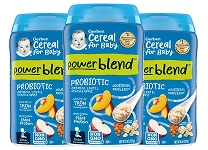
Ingredient lists help reveal what a baby food contains and how it fits into a varied eating pattern. Look for recognizable ingredients, and compare products for added sugars, salt, allergens, and seasoning. Some infant cereals are fortified with iron, while recipes containing beans, meat, or other ingredients can offer different nutrients and flavors. Check the nutrition panel and serving information rather than relying on front-of-pack claims alone. A range of suitable foods can help introduce different tastes and food groups over time; no single pouch or snack needs to provide everything. When a product lists a specific grain, fruit, vegetable, or protein as its main ingredient, confirm its position in the ingredient list. Ubuy can help shoppers explore international product labels and recipe styles, while packaging information remains the key reference for individual product details.
- Review ingredients and nutrition information
- Compare iron-fortified cereal options
- Check sugar, salt, and allergen details
Pouches, Jars, Cereals, and Feeding Accessories
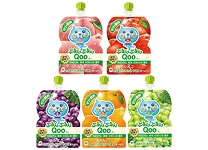
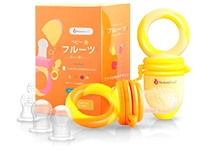
Packaging affects how baby food fits into home meals and outings. Glass jars and sealed tubs can be practical for spoon-feeding, while flexible pouches are portable; check whether the product is intended to be eaten directly or served in a bowl. Dry cereals require preparation according to their label and may call for a clean spoon and suitable liquid. Single-serving packs can help with portioning, while larger containers may suit regular use when storage directions can be followed. Useful accessories include soft-tipped spoons, bowls with stable bases, bibs, and reusable pouch attachments designed for the specific pack. Packaging materials and closures vary, so inspect seals and instructions before use. When browsing baby foods on Ubuy, compare pack size, serving format, preparation needs, and storage directions to find options that match your feeding setup.
- Choose packaging for home or on-the-go use
- Check serving and preparation instructions
- Match accessories to product format
Allergens, Food Safety, and Storage
Careful label checks and safe handling matter when selecting and serving baby food. Review ingredient and allergen statements every time, since recipes and packaging can differ between products. If introducing a food that may cause an allergic reaction, follow advice from your child's healthcare professional, especially where there is a known allergy or medical concern. Never give honey to a child under 12 months. Wash hands and feeding equipment, use clean utensils, and follow the package directions for preparation, refrigeration, and use after opening. Do not feed directly from a container if you plan to save the remainder unless its instructions allow it; saliva can contaminate food. Discard food that has been left out beyond the stated guidance, and do not use packs with damaged seals, leaks, or unusual appearance. Safe storage preserves quality and supports more confident mealtimes.
- Read allergen and handling statements
- Follow storage directions after opening
- Avoid honey before 12 months
Select the Right baby foods
Start with your child's feeding stage, abilities, and dietary needs, then compare ingredient lists, texture, portion size, and preparation requirements. Consider whether a product is meant as a first taste, part of a meal, or a portable snack, and choose a variety of suitable foods rather than relying on one type. Check the package for age guidance, allergens, storage instructions, and any equipment needed to serve it. Familiar brands such as Gerber, Earth's Best, Ella's Kitchen, Happy Baby, and Beech-Nut offer examples of different product styles; compare each specific item rather than assuming recipes are alike. Think about how much you can use before opening and whether the pack suits your routine. For questions about feeding readiness, allergies, or a specialized diet, consult a qualified healthcare professional. A considered comparison makes it easier to choose baby foods that fit both mealtime needs and safe feeding practices.
- Prioritize stage, texture, and dietary needs
- Compare each product's label and serving size
- Ask a professional about individual concerns